
SEO is Changing: How to Get Your Business Cited in AI Search (GEO) in 2026

SEO is Changing: How to Get Your Business Cited in AI Search (GEO) in 2026
Search is changing fast.
People still use Google, but more and more users now ask questions in AI tools and AI-powered search results. Instead of showing ten blue links, these systems often give a direct answer — and sometimes they cite sources.
That creates a new opportunity for businesses: not just ranking, but being mentioned as a trusted source.
This is what many call GEO (Generative Engine Optimisation) — improving your chances of being cited in AI-generated answers.
This article explains GEO in plain English and gives you a practical approach you can apply as a UK business.
What’s different about AI search?
Traditional SEO is mainly about helping a search engine understand your page and decide where it should rank.
AI search is different because it tries to produce an answer. To do that, it often pulls information from sources it trusts — and then summarises it.
So the goal is no longer only “rank for keywords”. The goal becomes:
Be the source AI engines want to reference.
What makes an AI engine choose a source?
There isn’t one magic trick, but there are clear patterns.
AI systems tend to favour content that is:
Clear. It answers the question directly and doesn’t hide the point.
Specific. It includes details, steps, examples, and definitions — not vague marketing.
Structured. Headings, sections, and scannable formatting help the model understand your page.
Credible. The business looks real, consistent, and trustworthy across the web.
Relevant. The content matches what the user actually asked.
If your content reads like a brochure, it’s harder to cite. If it reads like a helpful guide, it’s easier to reuse.
GEO is not “SEO replacement”
GEO builds on SEO. If your technical basics are weak (slow site, messy structure, poor indexing), you’re making everything harder.
Think of it like this:
- SEO helps you get discovered and crawled.
- GEO helps you become the source that gets referenced.
That’s why businesses should treat GEO as part of the same strategy — not a separate “trendy” thing.
If you want Empex to review your current SEO foundation, start here:
SEO Optimisation service
A practical GEO plan for a UK business
Step 1 — Choose 10 “questions you want to be known for”
Most SMEs can’t compete on every topic. You win by being clearly useful on a focused set.
For example, a local service business might target questions like:
- “How much does X cost in the UK?”
- “How long does X take?”
- “What are the common mistakes?”
- “What should I check before I buy/choose?”
You’re not trying to write “viral” content. You’re trying to be the most helpful source for real buyer questions.
Step 2 — Publish content that answers those questions properly
To earn citations, content should be genuinely useful.
A good pattern is:
- define the topic in a sentence
- explain the decision factors
- give simple steps or examples
- clarify who it’s for (and who it’s not for)
- end with a next step
This isn’t about writing more. It’s about writing better.
Step 3 — Make your pages easy to extract and understand
AI engines do better when content is structured.
Use:
- clear H2/H3 headings
- short paragraphs
- “one idea per section”
- simple internal links to supporting pages
If a page is hard to skim, it’s usually hard to cite.
Step 4 — Strengthen trust signals
AI search doesn’t only look at one page. It looks at the overall presence of a brand.
Make sure:
- your About page is real and specific
- your service pages explain what you actually do
- you have consistent contact details
- your site feels trustworthy (design, clarity, and technical quality)
This is where good web design supports GEO. If you need improvements, start here:
Web Design & Development
Common GEO mistakes (that waste time)
Mistake 1: Writing for keywords only
If your page doesn’t clearly answer a question, it’s harder to cite.
Mistake 2: Publishing thin content
Short pages can work, but they must be meaningful. “We offer X” pages rarely become sources.
Mistake 3: No internal structure
Walls of text don’t convert well and they don’t get reused well.
Mistake 4: Ignoring credibility
Even great content struggles if the business looks inconsistent or unfinished online.
How Empex helps with AI Search Visibility (GEO)
We help you move beyond basic SEO and build content that is designed to be:
- easy to understand
- easy to reference
- connected to your services
- aligned with lead generation
If you want a clear plan for your business, start here:
✅ Book a GEO / AI Search Visibility audit: Book now
Or ask a question: Contact us
Comments
No comments yet. Be the first to leave one.
Related posts
View all →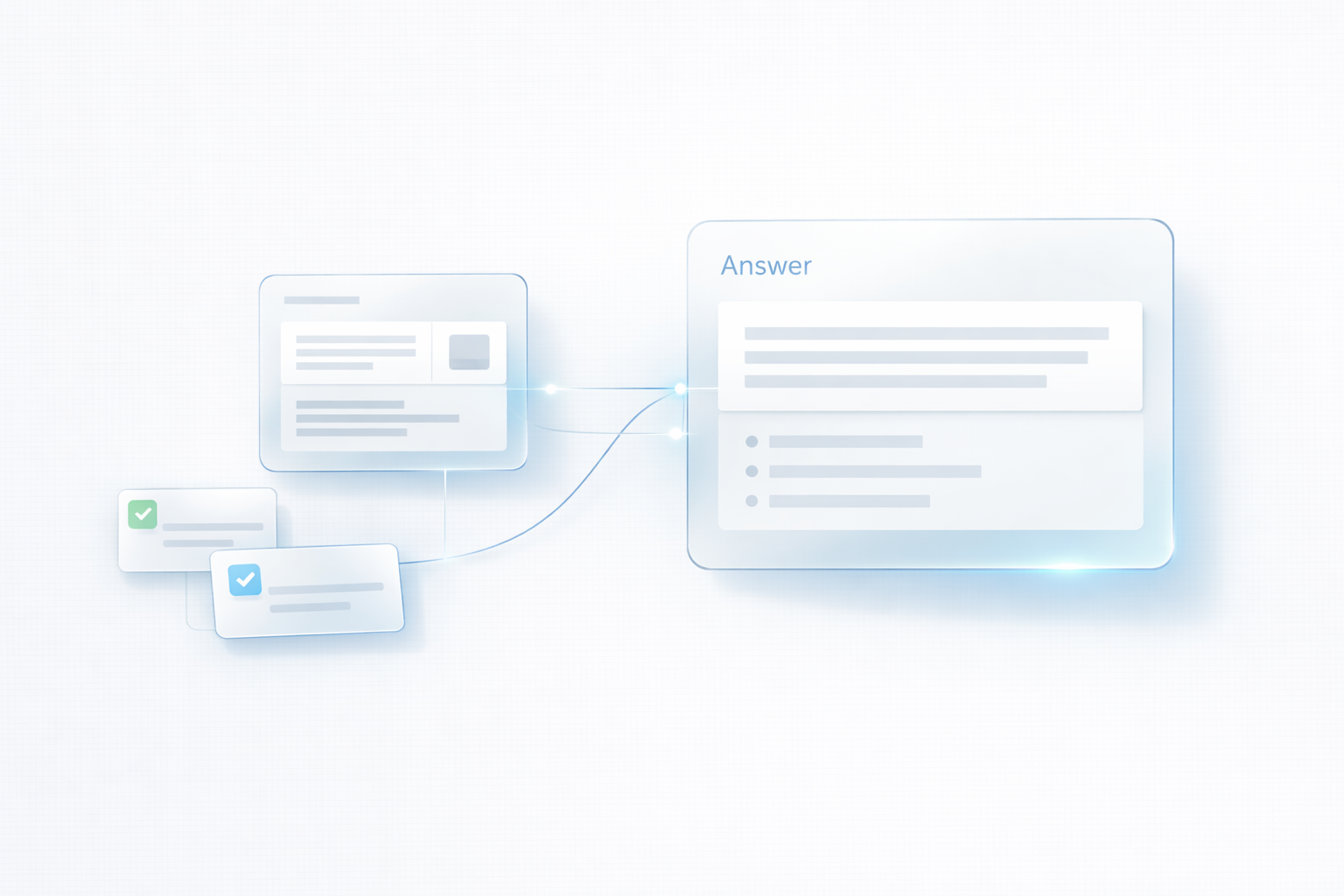
How to Write Content That AI Search Can Cite (A Simple Framework)
A simple writing framework that helps your content become easier for AI search tools to reuse and cite. Learn how to structure pages with clear definitions, decision factors, examples, and next steps.

The 5 Automations Every UK SME Should Implement First
Five practical automations that help UK SMEs reduce admin, respond faster to enquiries, and convert more leads — without adding complexity or losing the human touch.

AI as Infrastructure: A Simple 30-Day Plan for UK SMEs (With Real Examples)
Most businesses don’t need “more AI tools” — they need reliable systems that remove admin and convert leads faster. This simple 30-day plan shows how UK SMEs can implement AI automation step by step.